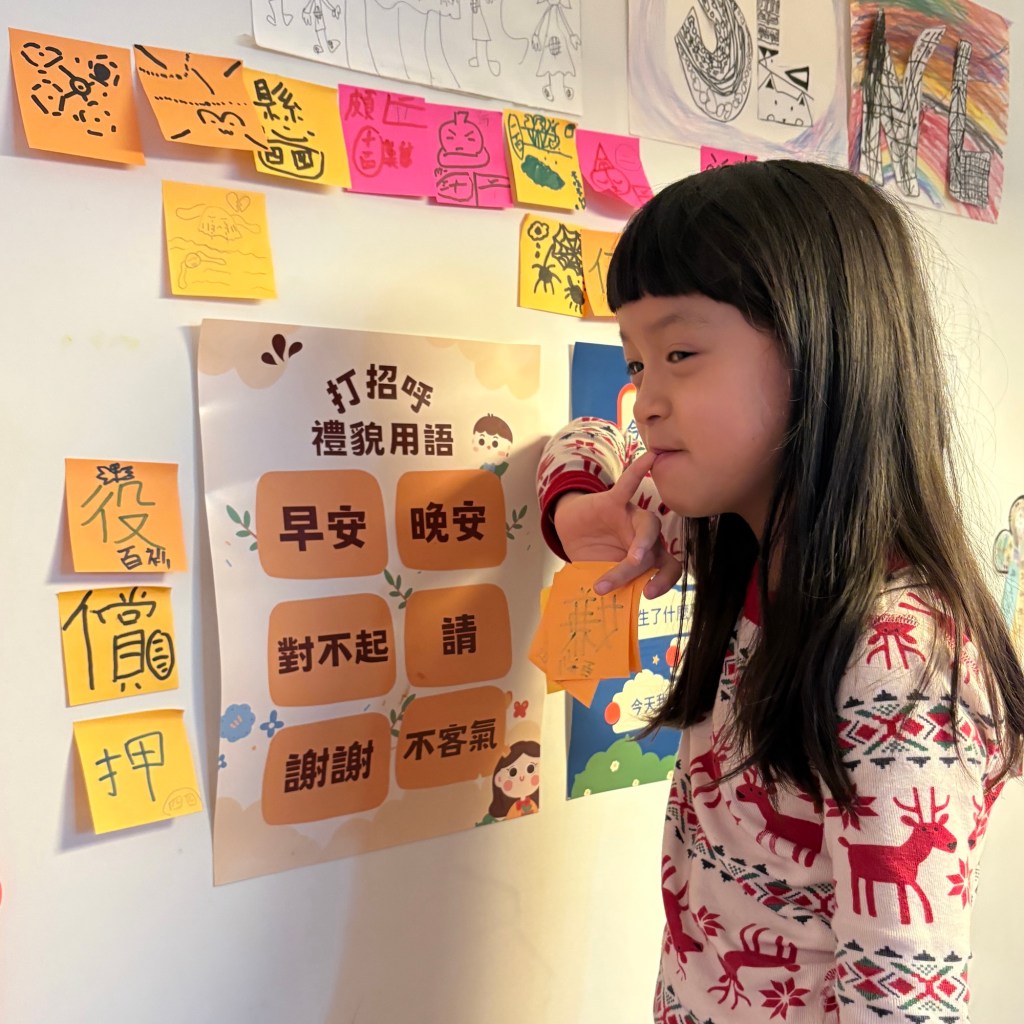
Lately, I’ve been slowly but steadily working on character recognition with Little Bun. We’ll read through a column of second thousand word pasted together and mark the characters she doesn’t know how to pronounce. Then she’ll write each one on a small square Post-it, and we stick them on the dining room wall where she can see them while we eat.
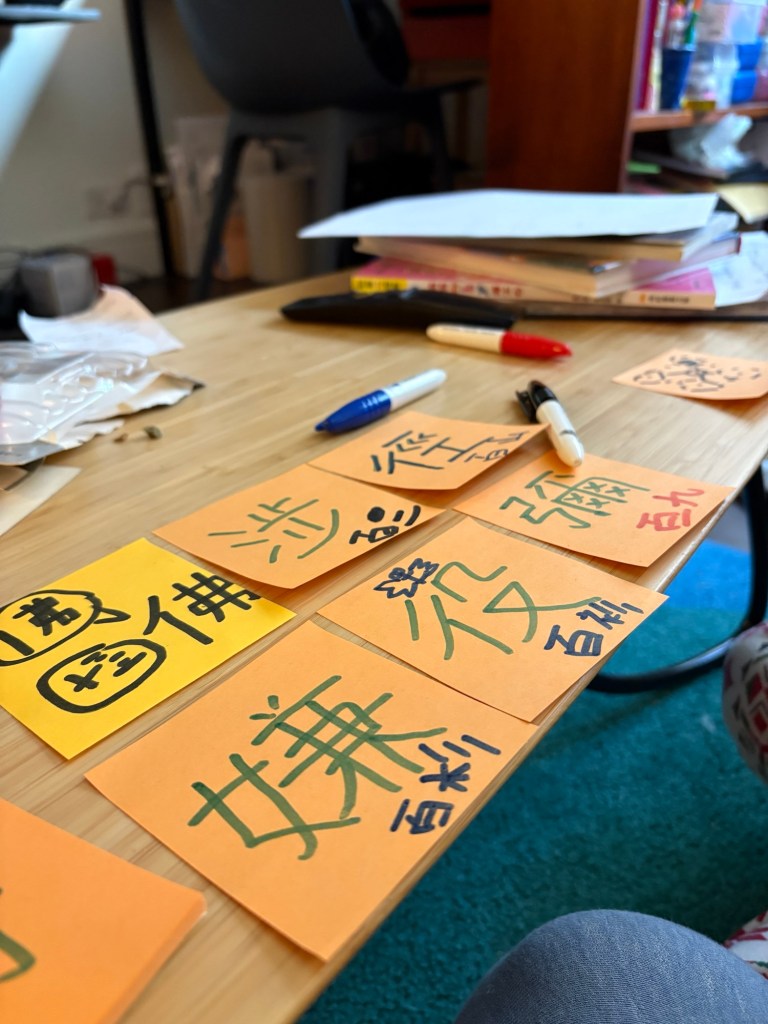
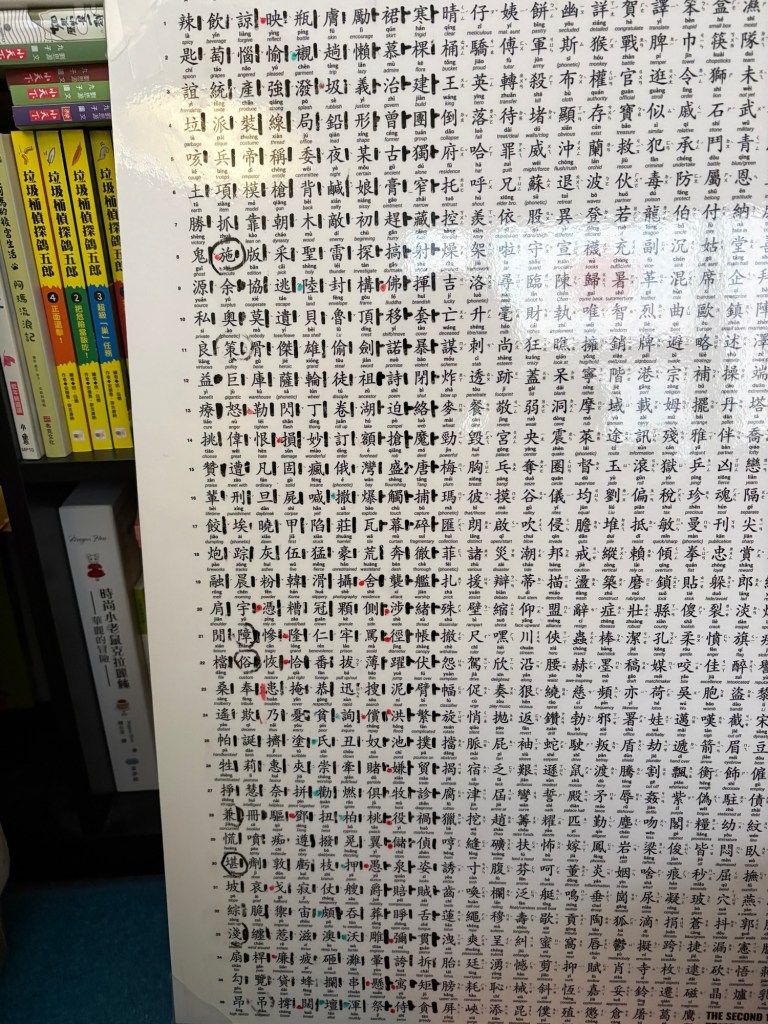
She actually enjoys the process—especially writing the characters down and sometimes assigning them little numbers to show how hard they are for her to remember. Since she’s having fun with it, I’ve just been going along with her system.
One challenge with moving into the second thousand characters is that many of the words represent concepts she doesn’t really know yet. Take 押金 (deposit), for example. For a third grader, that’s just not something she encounters in real life, so it’s harder for her to remember when the concept itself feels abstract.
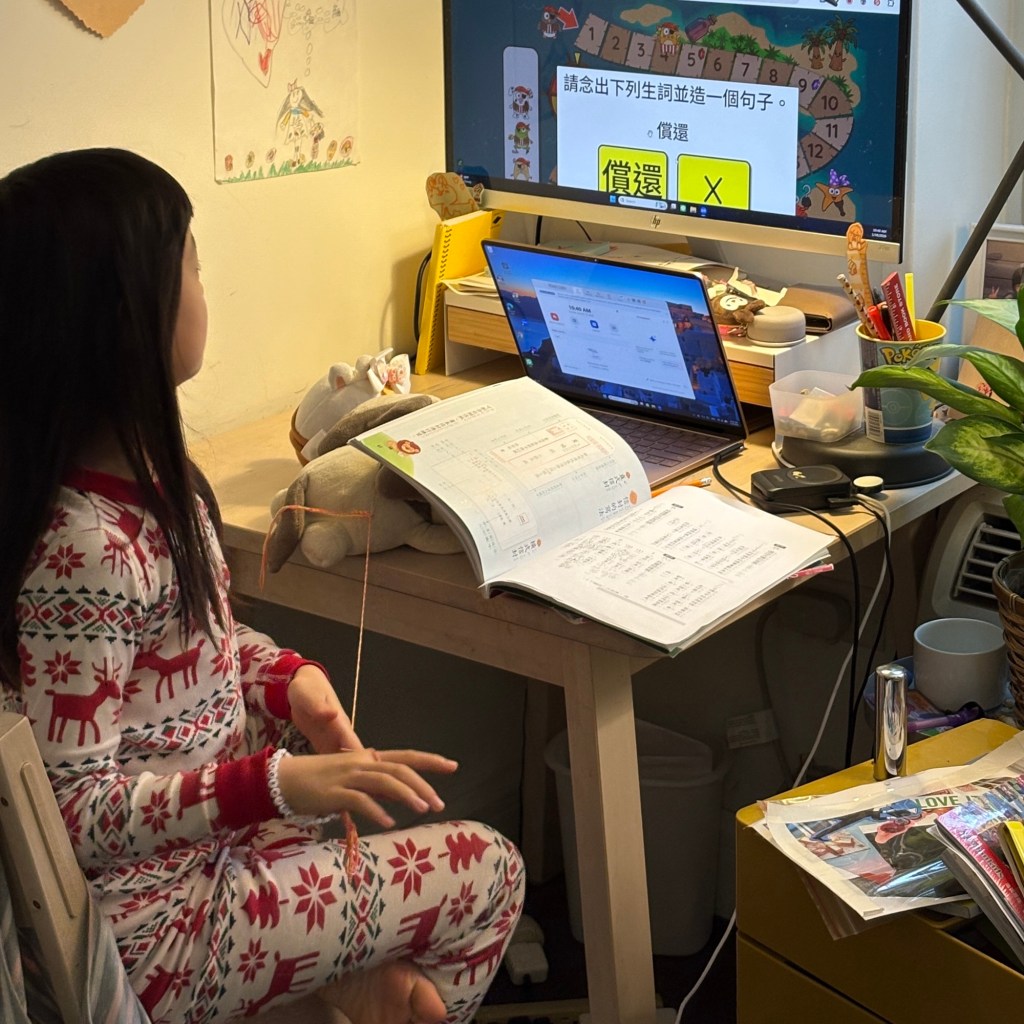
Another character we’re practicing is 償, which often appears with 還 (to return). Together, 償還 means paying back a debt or returning a favor—again, a pretty abstract idea for a kid her age.
Interestingly, while I’m trying to help her remember these characters at home, her tutor is also introducing more advanced phrases, and sometimes the exact same words show up in tutoring sessions or in her reading. This happens fairly often: I’ll ask her to learn a character, and then it appears again somewhere else. I actually like that—it helps reinforce the vocabulary when she sees it in different contexts.
That said, I’m also aware that I might be pushing her a bit too fast with some of these characters and phrases. Many of these concepts will make much more sense to her as she gets older. I think it’s okay to let some of them go for now and come back to review them in a few years, when the meaning clicks more naturally.
 Bao & Bun's Bilingual Journey
Leave a comment