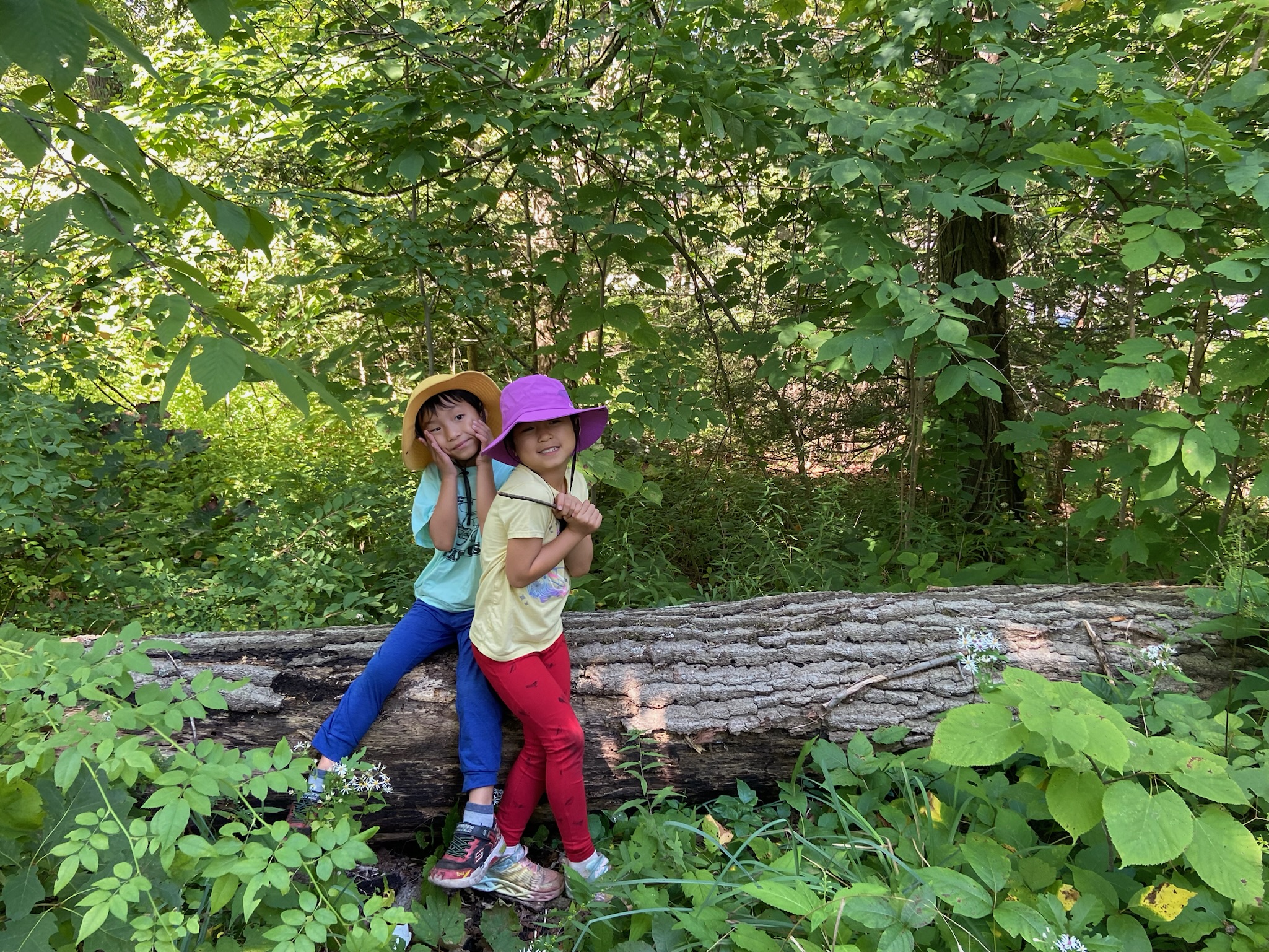
Almost the end of the summer, certain plans we were able to keep up but not every single one. I haven’t been able to keep up with characters flashcards and worksheets because of getting busy with work and also getting sick last week. However, we have kept up with reading, especially Little Bao. We started with very simple board books at the beginning of the summer, and now he’s reading 亮亮的成長 with much higher confidence.
Here’s how my attitude and approach have changed, which has helped him:
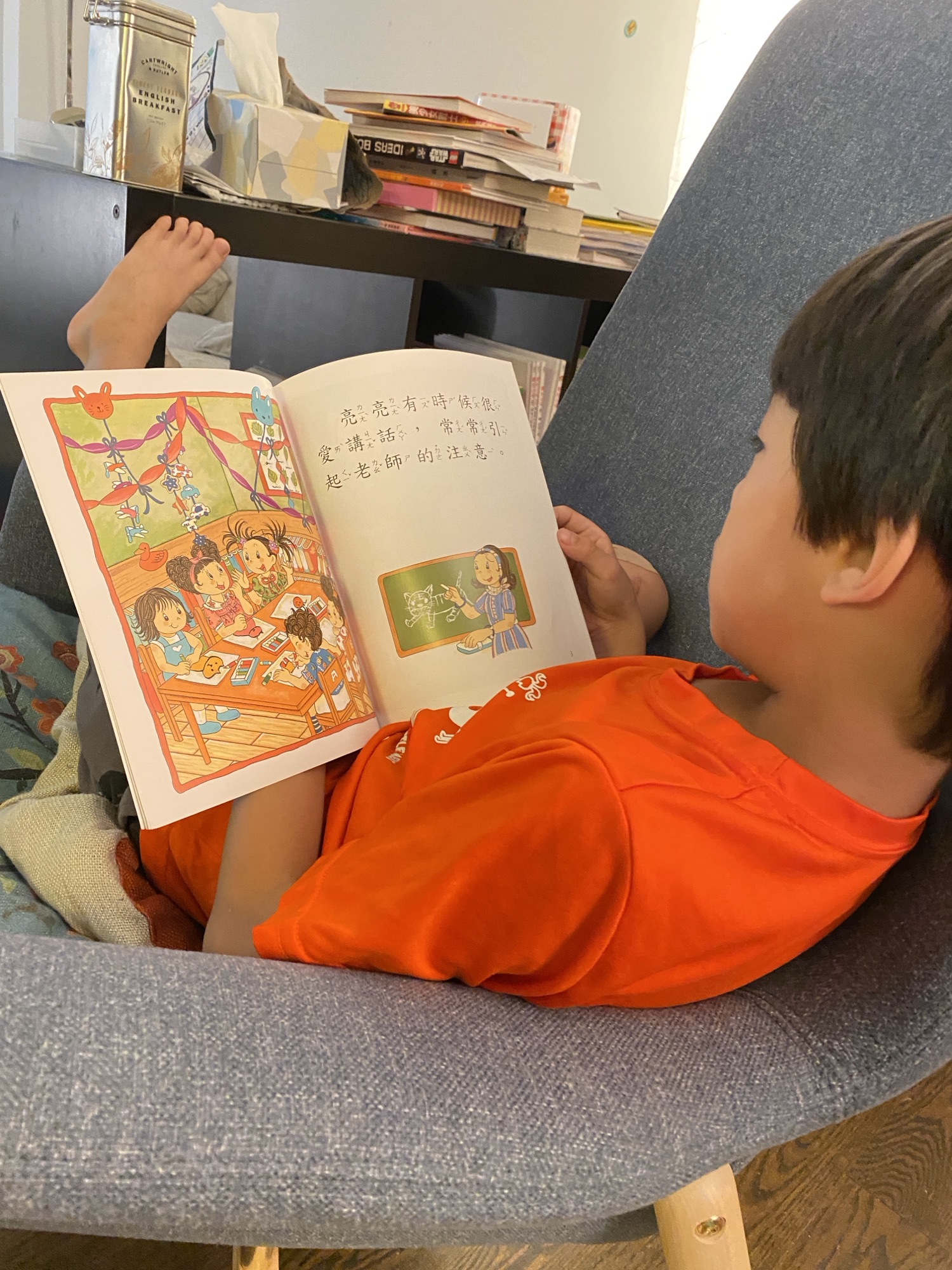
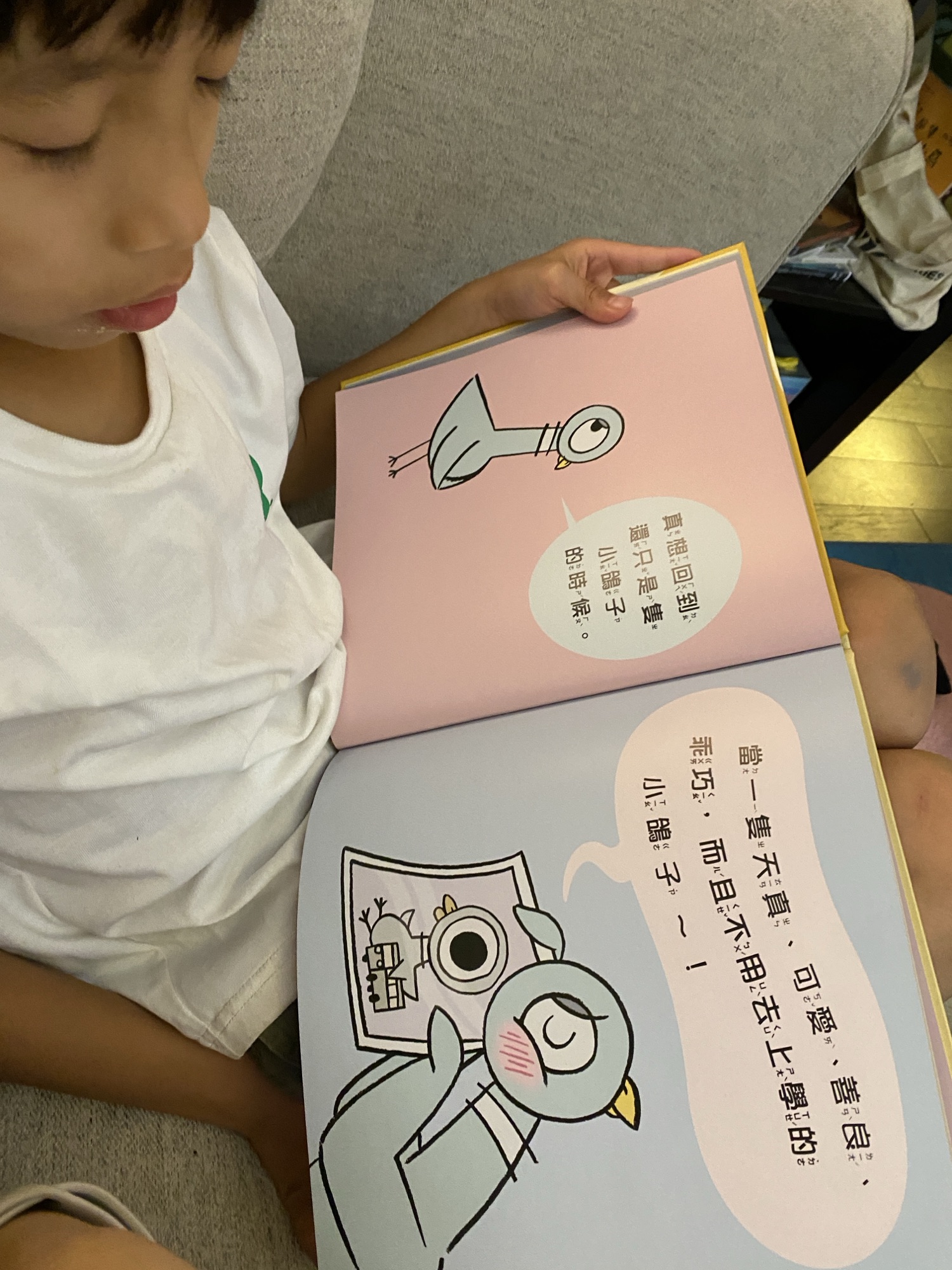
- I don’t mind him reading zhuyin for the characters he knows. One of the online Mandarin school teachers told me that this is just part of the process of learning how to read. I used to get annoyed that he relied more on zhuyin and wouldn’t focus on the characters. But as he started to read longer books, I noticed he is reading characters more because it’s faster.
- This isn’t so much about my attitude but something I learned while reading with him. Blending zhuyin is a skill I overlooked because I believed knowing characters was the ultimate goal. But learning new characters takes time, and kids can comprehend text faster than they can learn characters. Little Bao generally has a hard time memorizing characters, so zhuyin is essential for building his reading ability. Practicing zhuyin blending this summer has shown me that reading speed improves with practice. Over the past year, I didn’t focus much on Zhuyin blending and instead pushed him to memorize more characters and read non-zhuyin books (like Greenfields). Thankfully, we started reading more zhuyin books this summer. With his high comprehension and some character recognition, he has progressed much faster than I expected.
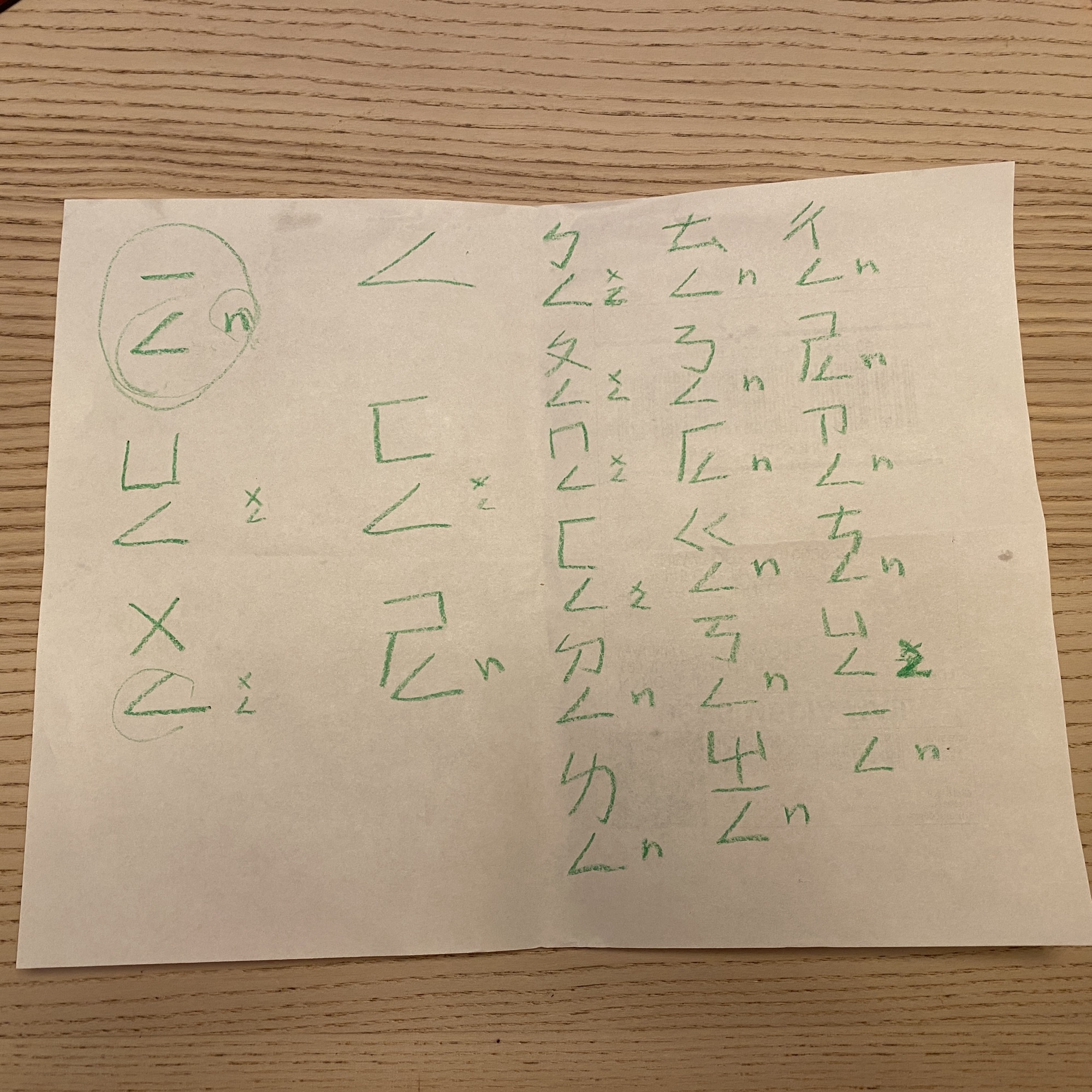
Regarding Zhuyin blending, I also learned that the pronunciation of certain Zhuyin, it changes when the combinations changes. For example, the pronunciation of ㄥ varies based on the combination. The most common combination is 一ㄥ, which sounds like “eagle” (鷹). In this combination, ㄥ sounds like ‘n’ in English. However, in another combination, like ㄈㄥ. In this combination, ㄥ sounds like ㄨㄥ (嗡), like the sound of a bee. What surprised me is that even Chinese teachers don’t talk about this much; everyone just assumes that with practice, kids will remember it. So, I wrote down all the ㄥ combinations, and found that two-thirds of them sound like ‘n’, and one-third sound like ㄨㄥ (嗡). With this realization, I feel that more practice with Little Bao is necessary because the rule isn’t consistent. I couldn’t think of another example right now, but when we practice English phonics with him, there are also exceptions to the rules, and a lot just require memorization.
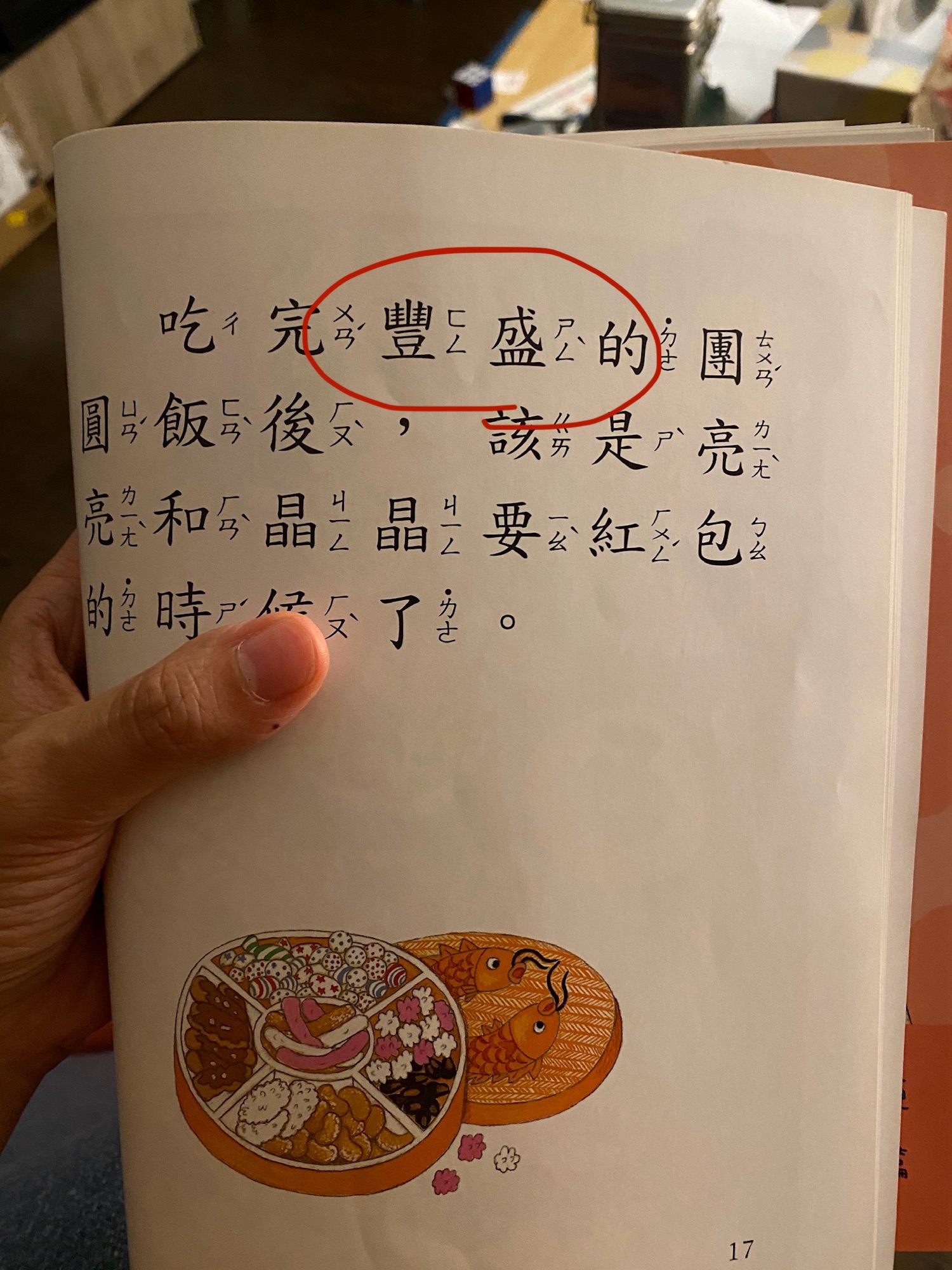
All in all, I’m glad I switched my strategy for Little Bao. Now, he’s able to read much longer and a greater variety of books. Just tonight, thanks to his constant practice, he’s gained more confidence to read sentences out loud from a random book as long as there’s zhuyin to help. In terms of character recognition, we still have a long way to go, but hopefully, we can get there one day.

 Bao & Bun's Bilingual Journey
Leave a comment