Due to my involvement in a bilingual podcast and a Chinese column I write, I engage with a wide variety of bilingual families. Even though some of them are Chinese language educators and parents themselves, I’ve noticed that most people still have blind spots. These blind spots stem from the tendency to assume their own experiences are relevant for everyone.
Here are a few things I’ve recently learned:
1. Despite my research, I’ve found that simple leveled readers from Taiwan are not readily available. When I inquired about this, I was told that there are indeed leveled readers, but that educator was referring to bridge books, which are used for lower and upper elementary levels. However, the concept of leveled readers is typically for children who are just starting to learn to read and need practice. The gap between these two definitions suggests that while some families progress to reading bridge books quickly, a significant number of families remain stuck before reaching that stage. For those who quickly advance to bridge books, they may overlook the importance of simple leveled readers and fail to grasp why such books are necessary.
2. Some children are able to recognize and remember Chinese characters simply by looking at them or practicing repeatedly. Those who succeed with this method may assume that everyone can do the same. However, I’ve observed that not all children learn this way. For example, one of my children struggles to memorize characters by sight alone and finds zhuyin helpful because it reduces the need to remember a large number of characters at once. There are also educators who prioritize learning zhuyin first, seemingly unaware of the success some children experience when learning characters initially.
3. Weekend Chinese school may not be effective for all children. We recently interviewed a college student who is fluent in Chinese speaking, despite having only attended Chinese school from 1st to 12th grade without engaging in other Chinese activities. This challenges the prevailing narrative that weekend Chinese schools yield low proficiency results. It raises the question of whether it’s truly necessary to invest significant effort in maintaining children’s Chinese proficiency. Ultimately, I believe the answer depends on the individual child.
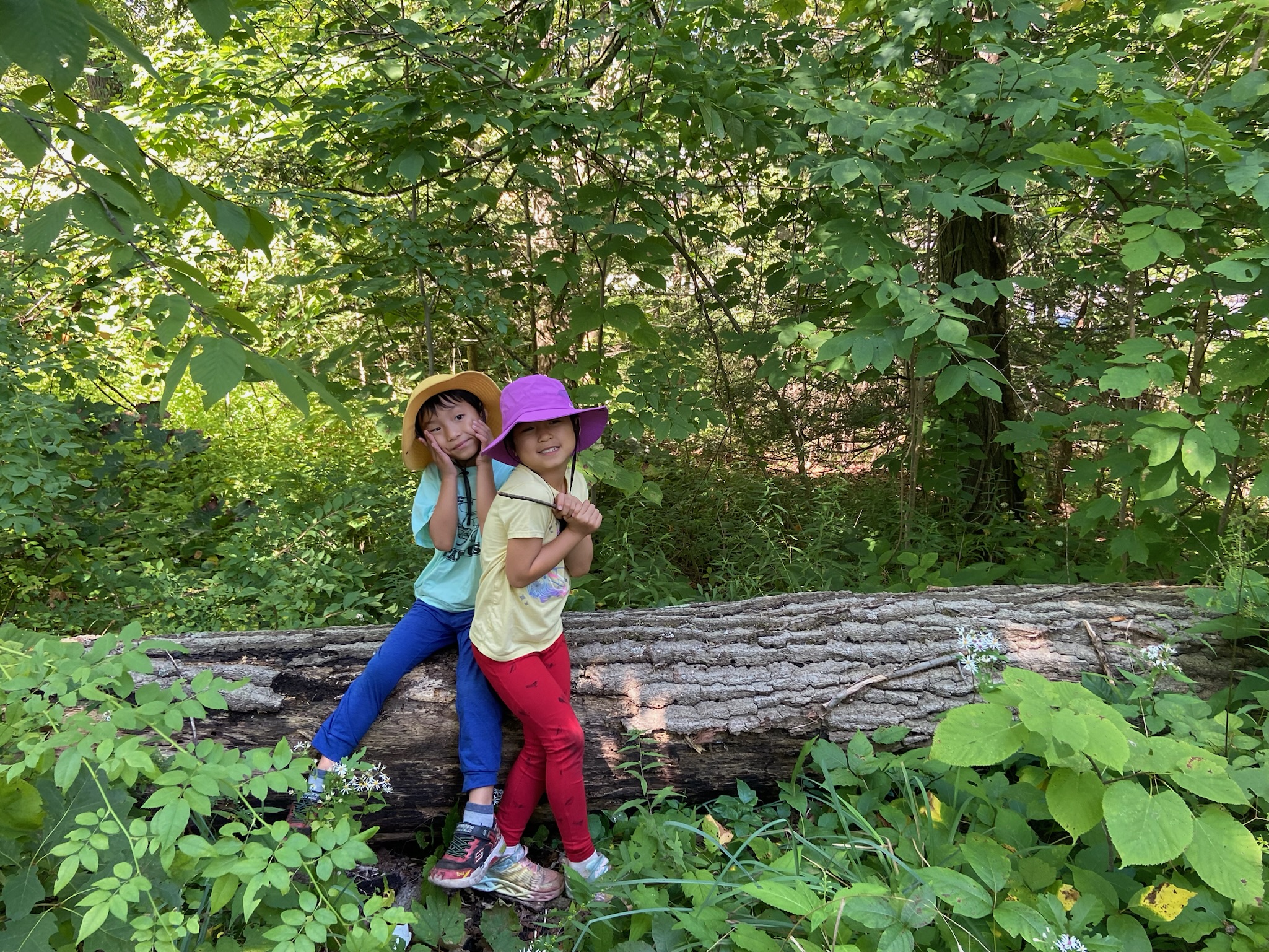
I’ve noticed a wide spectrum of learning approaches among children. For example, my daughter rarely complains about her workload and sometimes even enjoys it, while my son consistently prefers play over academics and often expresses reluctance to engage in learning activities. Many strategies recommended by other bloggers don’t always work for him, and his language development appears to be slightly slower than his sister’s.
In conclusion, each child is truly unique, and there is no one-size-fits-all approach to Chinese language learning. It’s important to continually doubt and test different teaching methods, as what works for one child may not work for another.
 Bao & Bun's Bilingual Journey
Leave a comment